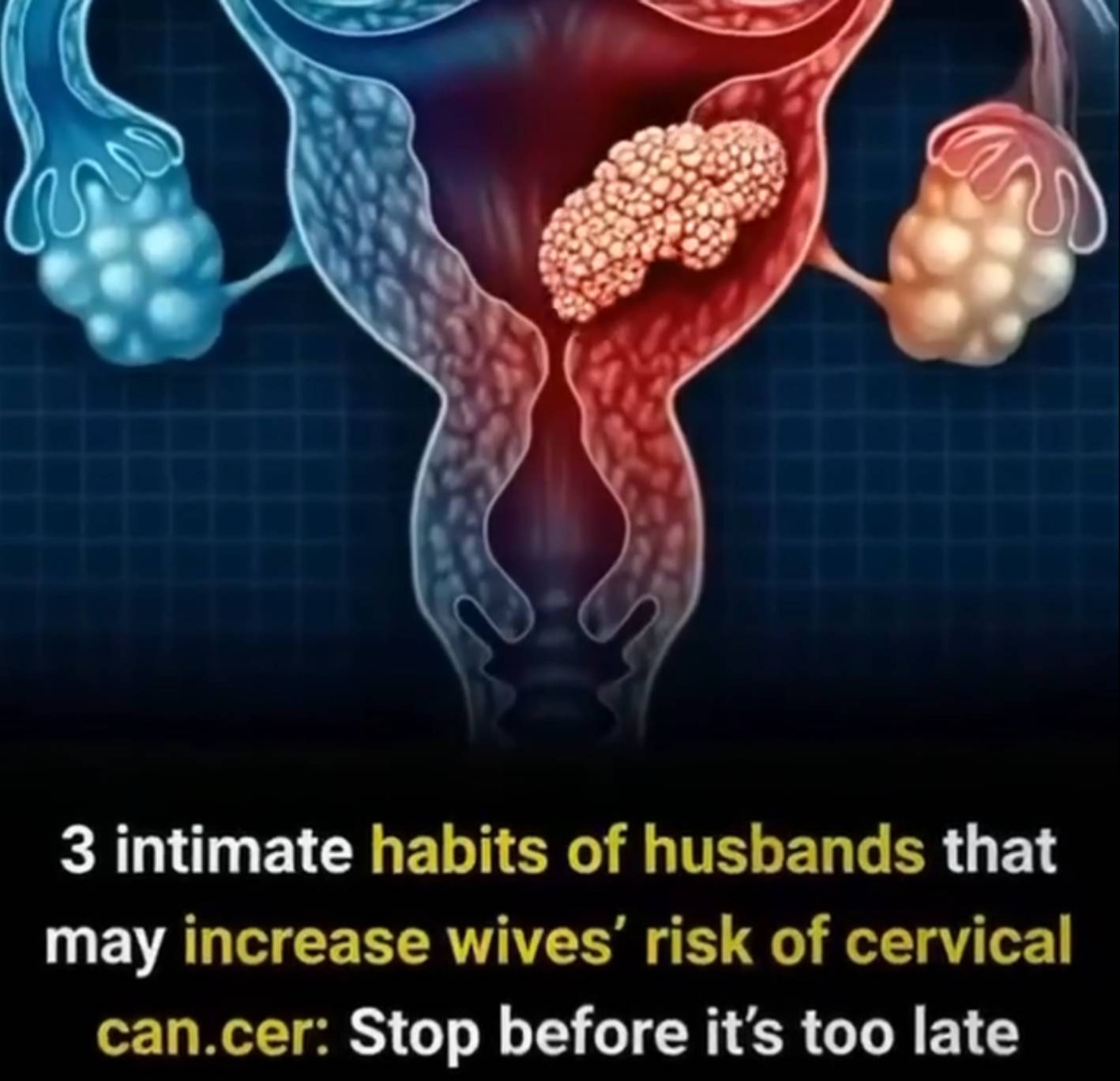
Cervical Cancer: What Women Should Know
Cervical cancer is the fourth most common cancer in women worldwide, causing hundreds of thousands of deaths annually. Most cases are linked to persistent infection with high-risk HPV strains (16 & 18). Early stages often have no symptoms, making regular screening and vaccination crucial.
Warning Signs
-
Atypical Bleeding – Between periods, after sex, or post-menopause.
-
Abnormal Discharge – Changes in color, odor, or consistency.
-
Pelvic Pain – Continuous or pressure-like discomfort.
-
Pain During Intercourse – Deep or persistent soreness.
-
Unexplained Fatigue & Weight Loss – May signal advanced disease.
Prevention
-
HPV Vaccination – Best before exposure; protects against cancer-causing strains.
-
Routine Screening – Pap smears and HPV tests catch precancerous changes early.
-
Healthy Lifestyle & Safe Practices – Avoid tobacco, support immunity, and use protection.
Global Context
Around 94% of deaths occur in low- and middle-income countries due to limited access to vaccines and screening. Awareness, early detection, and vaccination are key to prevention.
Key Takeaway: Cervical cancer is largely preventable. Early detection and medical care save lives.